
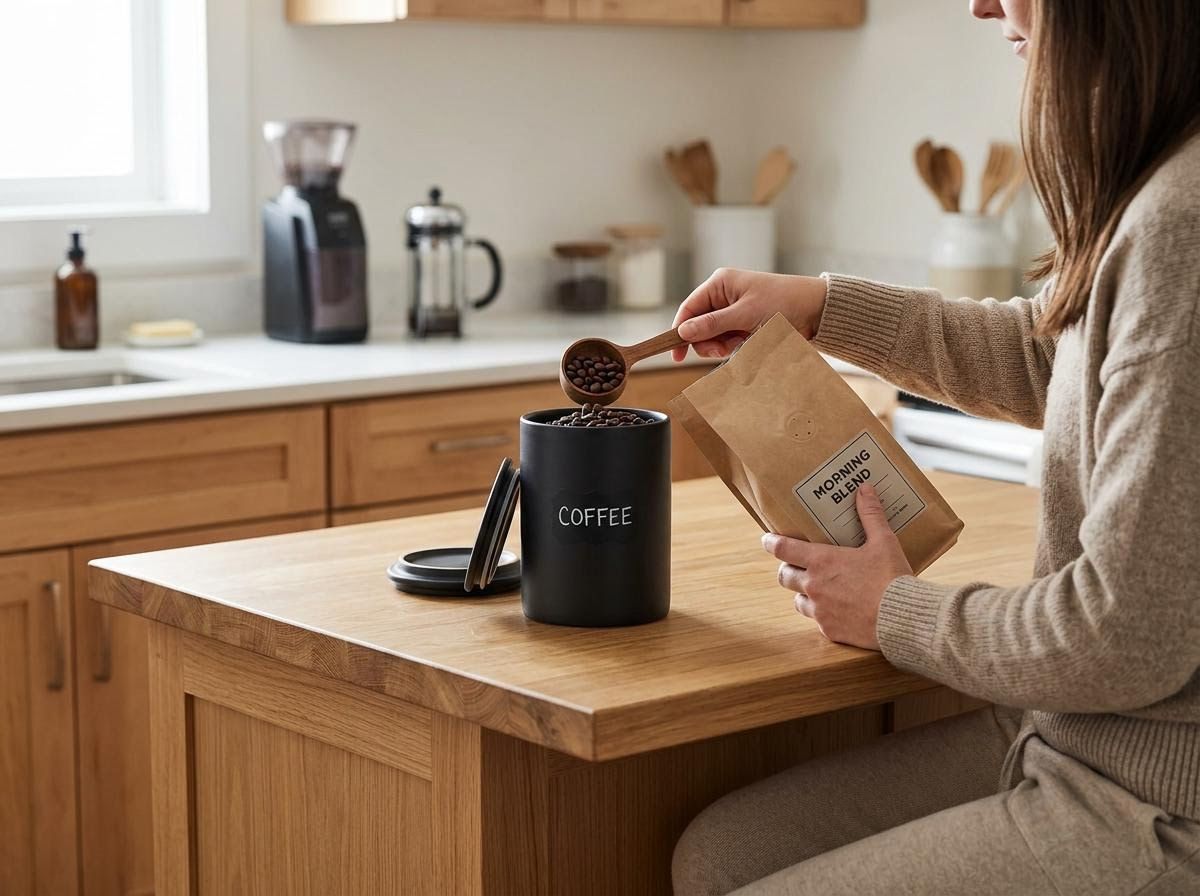
For many of us, the ritual of brewing a fresh cup of coffee is a cherished daily moment, but the journey to that perfect mug starts long before the kettle boils. The true magic lies in preserving the inherent quality of your coffee beans from the moment they arrive. At Out West Coffee, we understand that maintaining the peak freshness of your chosen blend is paramount to unlocking its full, nuanced flavor profile. Let's delve into the art and science of proper coffee storage, ensuring every brew is as exceptional as intended.
The Silent Enemies of Freshness
To truly appreciate and preserve your coffee beans, it's essential to understand what degrades their quality over time. Four primary factors are the culprits: air, light, moisture, and heat. Exposure to air, specifically oxygen, causes oxidation, leading to stale, flat flavors as volatile aromatic compounds escape. Light, especially direct sunlight, can accelerate this process and break down the delicate oils within the coffee. Moisture is a coffee bean's worst enemy, as it can lead to mold growth and cause the beans to lose their natural aromas and absorb unwanted odors. Finally, heat can rapidly age coffee beans, causing them to release their aromatic oils too quickly, resulting in a less vibrant taste. Protecting your coffee from these elements is the first step in ensuring a consistently delicious cup.
Crafting the Ideal Coffee Sanctuary
The best way to combat these enemies is by creating an optimal storage environment for your coffee beans. The golden rule is to keep your coffee in an opaque, airtight container, stored at room temperature in a cool, dark place. Opaque materials block out harmful light, while an airtight seal prevents oxygen and moisture from reaching your coffee. Think about a pantry or a cupboard, far away from direct sunlight, ovens, or other heat-generating appliances. Whole coffee beans maintain their freshness longer than ground coffee because they have less surface area exposed to the elements, so grinding right before brewing is always recommended for the best flavor. This meticulous approach to storage honors the craft that went into producing your small batch coffee.
To Refrigerate or Not to Refrigerate?
A common question among coffee enthusiasts is whether to store coffee in the refrigerator or freezer. Generally, storing coffee beans in the refrigerator is not recommended. Refrigerators are humid environments, and coffee beans are porous, meaning they will readily absorb moisture and food odors, leading to an unpleasant taste. Freezing, however, can be an option for long-term storage of unopened bags of coffee beans, especially for larger quantities of your favorite dark roast coffee or medium roast coffee. If you choose to freeze, ensure the coffee is in an airtight, freezer-safe bag or container to prevent freezer burn and absorption of odors. Once removed, allow the entire package to come to room temperature before opening to prevent condensation from forming on the coffee, which can lead to moisture damage.
The Journey from Roaster to Your Cup
Understanding how to properly store your coffee beans enhances the experience of every cup, allowing you to fully savor the nuanced flavors and aromas intended by the roaster. Each bag of coffee, whether a hand packed coffee or a specialty blend, represents a journey of careful cultivation and expert roasting. By providing an ideal storage environment, you are actively participating in preserving that quality, ensuring that the integrity of the coffee is maintained from our hands to your home.
Discovering the perfect storage method for your coffee beans is a crucial step in elevating your daily brewing ritual. It allows the dedication and craft poured into every batch to truly shine through in your cup. To learn more about our commitment to quality and explore the origins of our exceptional coffee, we invite you to delve into the stories behind our carefully sourced selections.